



The Opening Range: Why the First 15 Minutes Matter

The first 15 minutes of Indian market trading set a range that shapes the rest of the day. What the opening range is and how to actually use it.

Van Tharp’s Position-Sizing Lessons for Indian Traders
Van Tharp is known among traders for one central argument that is uncomfortable for a lot of people to accept. Your entry signal matters far less than how much money you put behind each trade. Most new traders spend almost all their time hunting for a…

Why Reading Trading Books Does Not Fix Your Trading
Many experienced traders have read five, ten, sometimes twenty books on trading psychology. They can quote Mark Douglas. They can explain loss aversion. They still freeze, hesitate, or override their own stop loss when real money is on the line. If this…

Promoter Pledge Explained: Why It Matters for Stock Investors
Promoter pledge explained in plain English. Learn what pledged shares mean, why promoters pledge stock, and how to read this red flag before you invest.

Come Into My Trading Room by Alexander Elder: The Key Lessons
Alexander Elder is a psychiatrist who later became a trader, and that background shows clearly in Come Into My Trading Room. The book is structured as a practical course, and its most memorable contribution is a simple framework for judging whether a…

Claude vs ChatGPT for Traders: What Actually Differs
Traders ask this question often, usually expecting a clear winner. There is not one. Claude and ChatGPT are both general purpose AI chat tools, and neither one was built to predict stock prices or guarantee trading returns. What they differ on is more…

Trading Psychology 2.0 by Brett Steenbarger: A Summary
Brett Steenbarger is a psychologist who worked closely with trading firms for many years before writing Trading Psychology 2.0. The book builds on his earlier work, but shifts focus in an important way. It moves away from a list of best practices toward…
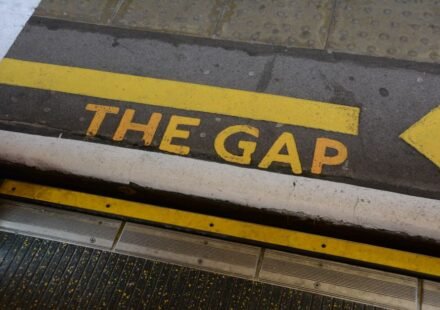
Gap Up and Gap Down: What Causes Them and How to Trade Them
Why Nifty and stocks gap up or gap down at the open, why gaps often fill, and a simple framework for reacting to a gap without guessing.

Thinking, Fast and Slow: What Traders Should Actually Take From It
Daniel Kahneman’s Thinking, Fast and Slow is not a trading book. It is a book about how the human mind makes decisions, written by a psychologist who won a Nobel Prize for his work on judgment and decision making. A lot of traders read it anyway,…
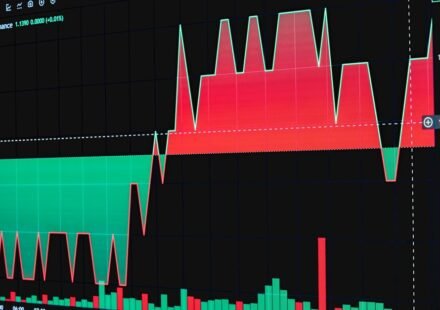
Volume Analysis: What High and Low Volume Actually Tell You
Volume is not just a bar under the chart. Learn what high volume, low volume, and volume spikes actually mean before you trust a price move.