



What Random Walk Theory Gets Right and Wrong for Traders

Random walk theory says that stock price movements are close to unpredictable, step by step, much like a random walk where each move does not depend on the move before it. It is a powerful idea, and it has held up reasonably well under decades of…

Using AI as a Trading Coach: What It Can and Cannot Replace
AI chat tools have gotten good enough that some traders now ask them questions they used to save for a coach or a mentor. That is not a bad thing by itself. There are real, useful things an AI assistant can do for your trading discipline. But there are…

A Random Walk Down Wall Street vs Active Trading
Burton Malkiel’s book is often read as an argument against active trading entirely. That reading is only partly fair. The book makes a strong case against relying on stock picking and market timing as a way to build long-term wealth, but it does…

How Many Days a Week Is the Stock Market Open?
How many days a week does the Indian stock market trade, what are the hours, and how do holidays and Muhurat trading work? A simple guide.

Why Malkiel Says Index Funds Beat Most Active Managers
One of Burton Malkiel’s most repeated arguments is that low-cost index funds tend to beat most actively managed funds over long periods. This sounds like a strange claim at first. Why pay a professional manager who studies the market full time,…
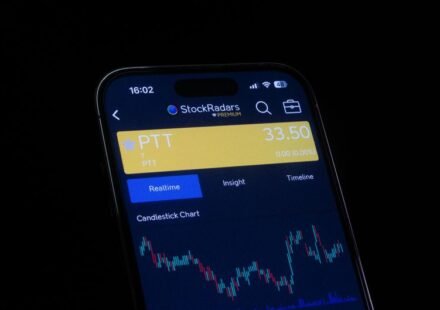
Best Time to Trade in the Indian Stock Market
When is the best time to trade in India? A plain-English look at market hours, the most active windows, and why timing alone will not fix your results.

The Efficient Market Hypothesis Explained Simply
The efficient market hypothesis sounds like a complex academic term, but the idea behind it is simple. It says that stock prices already reflect almost all the information that is publicly known. If that is true, it becomes very hard to find a stock that…

A Random Walk Down Wall Street: Key Lessons
Burton Malkiel wrote “A Random Walk Down Wall Street” in 1973, and it is still one of the most read books on investing. The core idea is simple to say but hard to accept: stock prices move in a way that is very close to random, which means…

The Eurozone Debt Crisis: What It Taught Investors
Eurozone debt crisis explained: how Greece, Ireland, and others nearly broke the euro, and the lasting lessons for investors watching sovereign risk.

How Regulation Changed After the 1929 Crash
Major market crashes often lead to new rules designed to prevent a repeat of the same problems that caused them. The 1929 Wall Street crash is one of the clearest examples of this pattern in financial history. This post looks at the general regulatory…