
Semiconductor stocks, often just called chip stocks, have become some of the most closely watched names on the planet, and their moves regularly ripple into broader market indices well beyond the technology sector itself. Understanding why a handful of chip companies carry this much weight requires understanding the supply chain they sit inside, which touches almost every modern product from phones to cars to data centers. This guide explains that mechanism in plain terms, built to stay useful regardless of which specific company or product cycle is in the news when you read it.
What a Semiconductor Actually Is, and Why It Is Everywhere
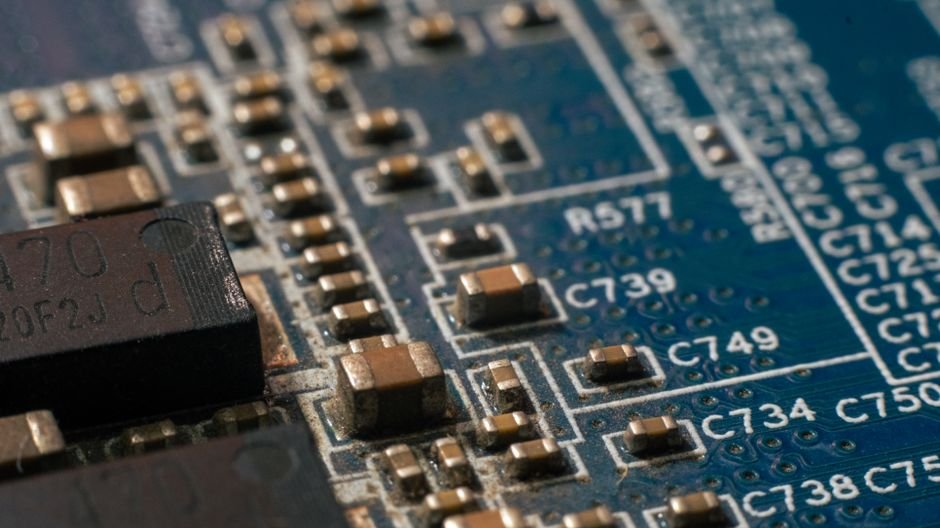
A semiconductor, commonly called a chip, is a small electronic component made primarily from materials like silicon, designed to control the flow of electricity in a way that allows it to process information. Chips are the basic building block of almost every modern electronic device, including smartphones, computers, cars, home appliances, industrial equipment, and the data centers that power the internet and artificial intelligence applications.
This near universal presence is exactly why the semiconductor sector has outsized influence. A slowdown or shortage in chip supply does not just affect one product category, it ripples across car manufacturing, consumer electronics, industrial equipment, and technology infrastructure all at once, since all of these industries depend on a steady supply of chips to manufacture their own finished products.
The Structure of the Global Chip Supply Chain
The semiconductor industry is unusually concentrated and specialized compared to most other manufacturing sectors, and understanding its structure explains a lot about why it moves markets the way it does.
Chip Design
Some companies specialize purely in designing chips, creating the detailed blueprints for how a chip will function, without manufacturing the physical chip themselves. These companies license their designs or sell finished designs to be manufactured by other companies.
Chip Manufacturing, or Fabrication
Actually manufacturing a modern chip requires extraordinarily expensive and specialized factories, called fabrication plants or “fabs.” Building and operating a leading edge fab costs billions of dollars, which means only a small number of companies globally operate at the most advanced manufacturing level. This concentration is one of the most important facts about the entire industry, since it means a disruption at even one major facility can have outsized global effects.
Equipment and Materials Suppliers
Behind the fabs themselves sits another layer of specialized companies that make the extremely precise manufacturing equipment and raw materials needed to produce chips. This equipment is itself highly specialized, with very few companies globally capable of producing the most advanced machines required for cutting edge chip manufacturing.
This layered, concentrated structure means the semiconductor supply chain has very few points of redundancy at the most advanced levels. If a major fab faces a disruption, whether from a natural event, a geopolitical issue, or simply overwhelming demand, there are often few alternative sources able to immediately absorb that demand, which is precisely why chip shortages and surpluses have historically caused outsized price and availability swings across many downstream industries.
Why Chip Stocks Are So Cyclical
The semiconductor industry has historically moved through pronounced boom and bust cycles, often referred to as the semiconductor cycle. Demand for chips can surge when a new wave of technology adoption occurs, such as increased demand for devices, vehicles with more electronic content, or infrastructure for data intensive computing. Manufacturers respond by investing heavily in new capacity, but because building new fabrication capacity takes years, supply cannot adjust quickly, which can lead to shortages during the surge and gluts once new capacity finally comes online after demand has already cooled.
This lag between demand shifts and supply adjustment is the core reason semiconductor stocks tend to be more volatile than the broader market, and why the sector is closely watched as a leading indicator for broader technology and industrial demand trends. A chip company’s reported order trends and capacity utilization are often read by market participants as an early signal for the health of a wide range of downstream industries, well beyond the chip makers themselves.
Why This Sector Carries Geopolitical Weight
Because advanced chip manufacturing is concentrated in a small number of facilities located in a handful of countries and regions, the semiconductor supply chain has become a significant topic in trade and technology policy discussions globally. Several governments have, at various points, introduced policies aimed at encouraging more domestic chip manufacturing capacity within their own borders, citing the economic and strategic importance of not depending entirely on a small number of foreign facilities for such a critical component.
This connects to the same broader theme covered in China’s economic slowdown and its impact on Indian markets, since the semiconductor supply chain is deeply intertwined with the broader global manufacturing and trade relationships between major economies. Described neutrally, the key fact for traders is simply that semiconductor policy and trade actions, whatever form they take in any given period, have historically been able to move chip stocks and related sectors meaningfully, given how concentrated and strategically important the supply chain is.
Why the Rise of Artificial Intelligence Changed Chip Demand Patterns
In recent years, demand for a specific category of advanced chips designed for artificial intelligence workloads has grown into a significant driver of the sector’s overall cycle, alongside the more traditional demand drivers like phones, computers, and cars. These specialized chips are used heavily in data centers that train and run large scale computing models, and the scale of investment going into this specific category has, at times, been large enough to meaningfully shift overall industry revenue and capacity planning.
This has added a new layer to how the semiconductor cycle behaves, since this specific demand driver can move somewhat independently of the more traditional consumer electronics and automotive cycles that historically dominated the sector’s overall demand pattern. A trader following semiconductor stocks today benefits from understanding that the sector is no longer driven by a single unified cycle, but by several overlapping demand drivers, each with its own pace and own set of leading indicators, which makes broad statements about “the chip cycle” less precise than they used to be.
How Traders and Investors Actually Use This
Semiconductor sector trends are often used as a broader macro signal, not just a sector specific one. Because chips feed into so many downstream products, chip demand and inventory trends are sometimes watched as an early read on broader industrial and consumer demand, ahead of that demand showing up clearly in other sectors’ own reported numbers. This is part of why semiconductor stocks sometimes move global indices even when the immediate news seems narrowly specific to one company or one product category.
For Indian traders, direct exposure to leading edge chip manufacturing is limited, since the most advanced fabrication facilities are concentrated elsewhere, but Indian companies in electronics manufacturing, auto components, and technology services do have varying degrees of exposure to global semiconductor supply and demand trends. Treating “semiconductor sector” as one single macro theme, and then checking which specific Indian sectors have genuine exposure, is a more useful exercise than reacting broadly, a method covered in more depth in sector rotation trading explained.
Global market sentiment broadly also tends to move with major semiconductor company earnings and outlook reports, given how large these companies have grown within global indices, which connects to the wider pattern described in how global markets correlate with Indian markets, since a sharp move in a major global index driven by a chip company report can flow through to Indian market sentiment the next trading session.
Frequently Asked Questions
Why do semiconductor stocks move so much more than other sectors?
The combination of a highly concentrated supply chain, long lead times to build new manufacturing capacity, and demand that is tied to broad technology adoption cycles creates pronounced boom and bust patterns, which shows up as higher volatility in chip stock prices compared to many other sectors.
What is a chip shortage, and why does it happen?
A chip shortage occurs when demand for semiconductors outpaces available manufacturing capacity, often because building new fabrication facilities takes years, while demand can shift much faster, driven by new technology trends or disruptions elsewhere in the supply chain.
Does India have its own semiconductor manufacturing industry?
India has historically had limited domestic capacity at the most advanced chip manufacturing levels, with various policy efforts over time aimed at building up domestic capacity. This remains an evolving area, so check current official sources for the latest status rather than relying on any fixed snapshot.
Should I invest in semiconductor stocks based on this article?
This article is educational only and does not provide investment advice or stock recommendations. The semiconductor sector is historically volatile and influenced by many factors, and any investment decision should be made with the help of a SEBI registered investment adviser who can assess your own circumstances.
How does a semiconductor shortage affect Indian companies?
Indian companies in sectors like auto manufacturing and electronics assembly can face production delays or cost increases during a global chip shortage, since these industries depend on a steady, affordable supply of chips as inputs into their own finished products.
Market ko samajhna seekho, uska shor sunke reaction mat do.
Related reading:
Want to learn this from the source? I run a free live session twice a week for traders with two or more years of experience who know the setups but still cannot execute under pressure. Register for the next free session here.
I am Samir Dash, founder of Mindful Trading Hub. I work with experienced traders on live market decision-making. More about my story here.